Remember More, Forget Less: The Power of Spaced Repetition
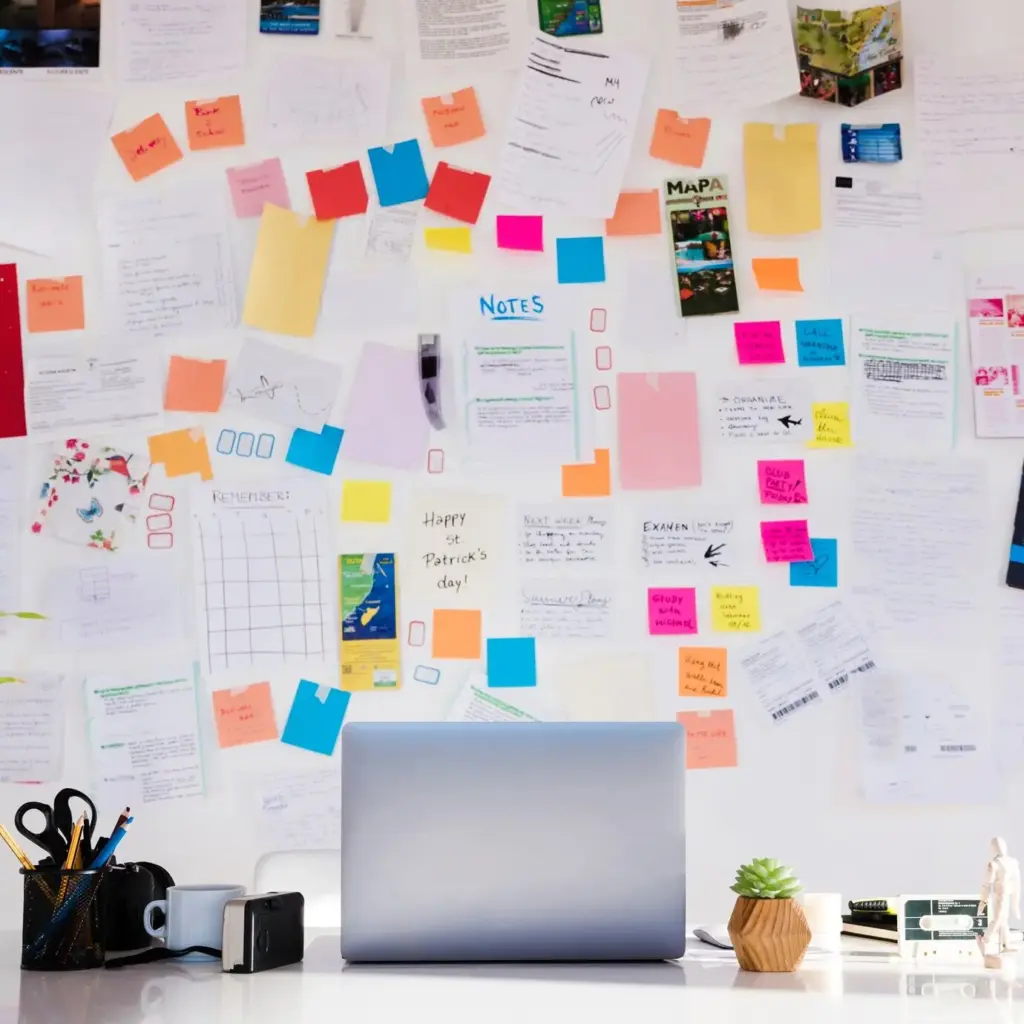
Today we explore spaced repetition for retaining everyday knowledge and skills, turning science-backed memory rhythms into friendly, daily habits. Expect practical steps, stories, and examples you can try tonight, with fallbacks for missed days, gentle accountability, and smart reviews that transform fleeting notes into dependable, living knowledge.

How Memory Actually Works

Memory favors effortful recall, not passive rereading. We will connect the forgetting curve, spacing effect, and consolidation to ordinary life, showing how tiny, well-timed prompts can rescue names, shortcuts, safety steps, and facts, so confidence grows steadily without overwhelming sessions or impossible, perfectionist expectations.

Designing a Daily System That Sticks

Routines breathe life into any method. We will map micro-habits that anchor reviews to breakfast, commutes, or unwinding at night, create buffers for chaotic days, and design a playful cadence where a missed session becomes feedback, not guilt, preserving momentum through inevitable surprises.

Tiny Prompts and Cue-Based Reviews

Link reviews to cues you already trust: pouring coffee, locking the door, sitting on the train. Each prompt piggybacks on the moment, shrinking friction. If a cue fails, rotate another, keeping the ritual light, repeatable, and resilient against travel, meetings, or family crunches.

Calendar, Apps, and Paper Cards

Tools matter less than the habit, yet the right fit helps. Compare a simple notebook, Anki, RemNote, Obsidian cards, or Apple Notes checkbacks. Choose the one you will open daily, backing it with automatic backups and a weekly audit to prune friction and clutter.

Cards That Teach Themselves

Great cards feel bite-sized, vivid, and specific. We will rewrite vague notes into clear prompts that test one thing at a time, enrich them with context and images, and craft answers that prove actual skill, not recognition, so memory supports doing, not merely nodding along.

01

Make It Atomic and Actionable

Split compound ideas. Instead of a bloated paragraph on bicycle maintenance, make separate prompts for tire pressure, chain cleaning, and brake alignment. Each answer becomes crisp, testable, and fast to review, multiplying wins and making failures obvious, targeted, and kinder to correct tomorrow.

02

Add Context, Stories, and Imagery

Stories and images glue details. Pair a new keyboard shortcut with a visual of your fingers moving, or a cooking temperature with the sizzle you hear. Sensory hooks invite multiple pathways, so later, sound or movement can cue recall even when words hide.

03

Write Reversible and Directional Questions

Some knowledge wants direction. Create forward and reverse cards thoughtfully, such as symptom to medication and medication to symptom, but avoid duplicates that bloat reviews. Focus on discriminating features, ensuring your answer demonstrates selection, application, or explanation rather than hazy, easily guessed associations.

Algorithms and Schedules, Humanized

Behind the scenes, scheduling algorithms like SM-2 adapt intervals using your ratings. Understanding ease, lapses, and stability lets you tweak settings compassionately. We will translate jargon into friendly dials, helping you smooth spikes, tame leeches, and keep reviews humane alongside a busy calendar.

Understanding Ease, Intervals, and Lapses

When you press Good or Hard, the system guesses tomorrow and beyond. Track how often you miss and how quickly items bounce back. Adjust new card limits, ease floors, or maximum intervals until reviews feel challenging, short, and sustainable across fluctuating projects or seasons.

Handling Leeches and Confusers

Some cards repeatedly fail because wording confuses or facts look alike. Rather than grinding, rewrite, add images, or delete. Tag chronic offenders as leeches, then fix root causes during a weekly cleanup, preserving morale and ensuring your limited effort targets the highest leverage repairs.

Balancing Interleaving with Focus

Interleaving mixes categories, strengthening discrimination, yet too much mixing can scatter focus. Blend families of cards thoughtfully, like safety steps with acronyms, while reserving bursts of focused practice for fragile skills. This rhythm keeps novelty alive without dissolving coherence, especially during stressful weeks.

Applying It Beyond Exams

The real joy arrives when spaced repetition rescues situations outside study halls. From remembering neighbors’ names to first-aid sequences, cooking temperatures, or keyboard shortcuts, you can rehearse what actually matters today, translating quick prompts into smoother workdays, warmer conversations, and fewer mistakes when pressure climbs unexpectedly.

People’s Names and Conversations

People feel seen when you greet them by name. Create cards from short encounters: barista’s name plus favorite roast, new colleague plus project. Review briefly before events, then notice how easy rapport forms, setting the stage for trust, collaboration, and delightful serendipity.

Workflows, Shortcuts, and Checklists

At work, store tricky sequences and decision checklists: deployment steps, spreadsheet formulas, design heuristics. Practice them as mini-simulations rather than trivia. When the heat rises, your hands follow rehearsed paths, avoiding costly mistakes and freeing brainpower for judgment, creativity, and calmly explaining choices to stakeholders.

Motivation, Momentum, and Community

Consistency grows easier with companionship and play. We will build gentle accountability loops, celebrate streaks without fear, and invite shared decks or challenges. Expect prompts to reply with questions, subscribe for updates, and trade experiments, learning faster together while protecting kindness toward yourself during messy chapters.
Xinorovevapamazaxule
Privacy Overview

This website uses cookies so that we can provide you with the best user experience possible. Cookie information is stored in your browser and performs functions such as recognising you when you return to our website and helping our team to understand which sections of the website you find most interesting and useful.